

Stress Hormones and Why They Make You Get Sick More Often
Stress is part of being human. Everyone experiences it, whether through work pressure, personal struggles, or unexpected life events. While short-term stress can sometimes be motivating, chronic stress is different. It wears on the body in ways that are not always obvious at first. Over time, the constant pressure disrupts balance and opens the door to illness. That is why creating a wellness routine that actually works becomes essential in preventing these effects. To understand why this happens, it’s important to look at what stress does inside the body.
What Stress Hormones Really Do
When stress hits, the body reacts quickly. Hormones like cortisol and adrenaline are released to prepare for action. This reaction is often called the “fight or flight” response. In a short burst, these hormones can be helpful. They sharpen focus, increase heart rate, and boost energy. However, when stress is ongoing, these hormones remain elevated. Instead of protecting the body, they begin to cause harm. The immune system weakens, and the body becomes more vulnerable to sickness.
The Role of Cortisol in Immunity
Cortisol is one of the most well-known stress hormones. Its job is to regulate many systems in the body, including metabolism, inflammation, and immune responses. When cortisol levels stay high for too long, the immune system struggles to function properly. White blood cells, which help fight infection, become less active. Inflammation increases in ways that can damage tissues instead of repairing them. This imbalance makes it easier for viruses, bacteria, and other invaders to cause illness.
How Stress Affects Everyday Health
People under chronic stress often notice that they catch colds more easily or take longer to recover from minor infections. Sleep patterns also suffer. Lack of rest further reduces the body’s ability to defend itself. Digestion can become irregular, leading to nutrient absorption problems. Even energy levels decline, making it harder to stay active. Each of these small effects builds up over time. The result is a cycle where stress leads to sickness, and sickness creates even more stress.
Why Frequent Illness Occurs

The connection between stress and sickness is not just about hormones but about balance. The body thrives when all systems work together. Stress disrupts this harmony by forcing certain functions to work harder while neglecting others. For example, during stress, more energy goes to immediate survival responses rather than long-term health. This shift leaves the immune system with fewer resources. Over time, this imbalance explains why people who live with constant stress often get sick more often than those who manage it effectively.
Long-Term Consequences of Ignoring Stress
When stress is ignored, the consequences go beyond frequent colds or infections. Long-term exposure to high cortisol is linked to serious conditions such as heart disease, diabetes, and autoimmune disorders. The circulatory system, metabolism, and even brain function can be affected. Ignoring the signals the body gives, such as constant fatigue, irritability, or frequent sickness, can lead to bigger health problems later. Paying attention to these signs and making changes early on provides the utmost benefit for long-term health.
How to Break the Stress-Illness Cycle
Understanding the role of stress hormones helps highlight the need for better coping strategies. It is not realistic to remove stress completely, but it is possible to reduce its impact. Simple actions such as daily movement, proper sleep, and deep breathing exercises can lower cortisol levels. Practicing mindfulness also helps calm the nervous system. These practices allow the body to reset and protect itself more effectively. Taking a consistent approach is key. It ensures the immune system remains strong even during stressful periods.
The good news is that resilience can be developed. Each person has a unique response to stress, and learning to manage it takes practice. Setting aside time for rest, nurturing supportive relationships, and fueling the body with nutritious foods all contribute to stronger defenses. These steps might seem simple, but they create lasting changes. By keeping stress hormones in check, the body is better equipped to fight illness. The goal is not perfection but progress, gradually creating habits that protect health instead of weakening it.…

 Better sleep has been proven to play a big role in supporting our immune system. When you rest, your body goes into repair mode. This is when it produces cytokines, proteins that help combat infections and inflammation. Lack of sleep can hinder this process. Your body may not produce enough of these protective proteins, making you more susceptible to illnesses. Even a single night of poor sleep can affect your immune response. During deep sleep, essential hormones are released that regulate various bodily functions. Growth hormone production peaks during this phase, aiding tissue growth and muscle repair.


 Many people jump straight into their workouts without taking the time to warm up properly. Warming up is essential for preparing your body for exercise and reducing the risk of injury. Before each training session, do a few minutes of light cardio or dynamic stretching to get your muscles and joints loose and ready for action.
 It’s not just the physical health that matters – mental health is important too! In fact, studies have shown that there are close links between physical and mental health.
 Imagine you going outside full of fear and doubt, unsure of what will happen to you. Now imagine you have a security guard with you, someone who has your back and will make sure you’re safe. That’s how healthcare makes us feel – it gives us the security we need to live our lives without fear. Healthcare is important because it offers us security, both physically and mentally.
 Not all exercises are created equal when it comes to building muscle. If you want to see results, you need to focus on exercises that specifically target your muscles. Some good activities for toning and building muscle include squats, lunges, push-ups, pull-ups, and bench presses. It’s also important to vary your workout routine regularly. This will help keep your muscles guessing and prevent them from becoming too used to the exercises you are doing. Finally, make sure you give your muscles enough time to rest and recover. Resting is just as important as working out for muscle growth. Try to give your muscles at least 48 hours of rest between workouts.
 If you are looking for an extra edge in your muscle-building efforts, consider taking a creatine supplement. Creatine is a natural substance that helps the body produce energy. It has been shown to help increase muscle mass and strength and improve athletic performance. However, talk to your doctor before starting any supplements, as they can sometimes have adverse effects.

 To achieve your weight loss goals, it is important to eat fewer carbohydrates. This is a crucial fat loss tip because this is the reason why your body has gained weight and accumulated fats. To lose weight quickly, eat low-carbohydrate foods and keep them that way. Vegan diets can be very effective in reducing your body’s size. This weight loss diet is healthy because vegetables provide your body with vital nutrients and vitamins.
 Sports
 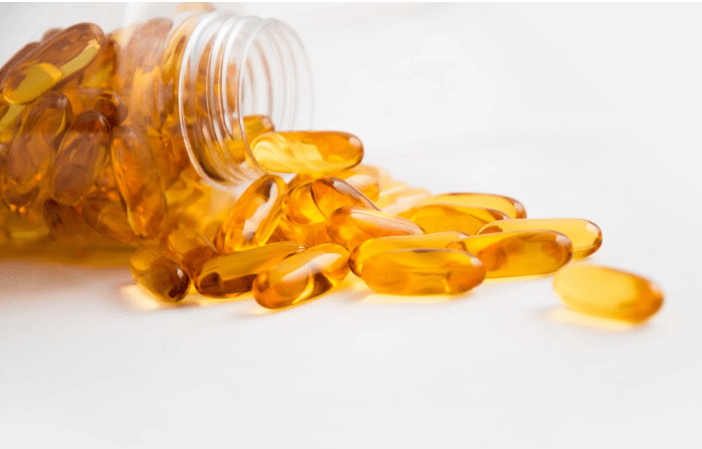 Thermogenics, also known as diet pills or fat burners, claim to increase the body’s metabolism and help athletes achieve lower body mass. This is especially important for sports like cycling where weight and equipment can have an adverse impact on performance.
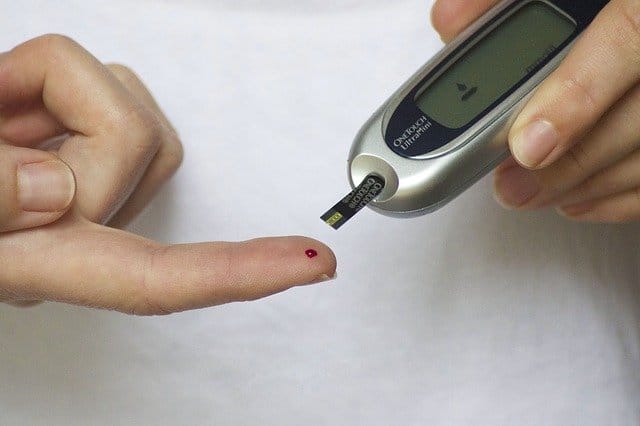 More than 30 million Americans have diabetes. Most are type 2 diabetics. Diabetes, in essence, is a disease that affects blood sugar levels. People with diabetes are unable to lower their blood sugar levels after meals because they have developed insulin resistance. Vinegar has been found to improve insulin sensitivity by 19 to 34 percent on a high-carbohydrate diet. Another study showed that vinegar can reduce blood sugar levels by up to 34% when participants eat white bread.
  One of the most notable health benefits of vinegar is its ability to prevent cardiovascular disease and improve heart health. Heart disease remains the leading cause of death in the United States in both men and women. Therefore, it is worth exploring all options when it comes to prevention and treatment. High triglycerides can increase the risk of heart disease, heart attacks, and strokes. Vinegar has been shown to lower triglyceride levels. Studies also suggest that vinegar can prevent high blood pressure.
 Vinegar may help with digestive problems. These claims are not supported by clinical research, but there is plenty of evidence that vinegar (especially apple cider vinegar) can help with constipation. It speeds up otherwise slow transit times. Since vinegar is a mild natural diuretic, it can also be used in combination with foods such as celery, beets, and citrus fruits. This may explain why it can prevent both bloating and constipation. Some data also show that apple cider vinegar can reduce acid reflux symptoms in a limited number of patients.
 If you are a fisherman, you can tell how addictive and satisfying it can be to catch a big fish. However, fishing has generated many benefits that you may not have recognized before. Let’s take a look at the hidden advantages of fishing, so you can appreciate and relish your fishing time more and more.
 Fishing has many health benefits. Since it is an outdoor activity, you get lots of sunlight and fresh air, which is naturally good for your health in many ways. There is also the psychological benefit because you can have your own time to think without distractions. In this case, it would be best for you to turn off your phone to alleviate tension and pressure. Thus, you can relax and enjoy your surroundings more. Of course, this condition will lead to better blood pressure, making it the best exercise for your health.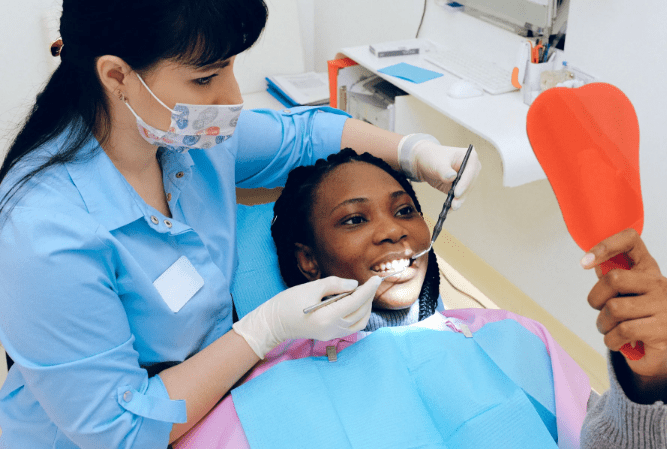
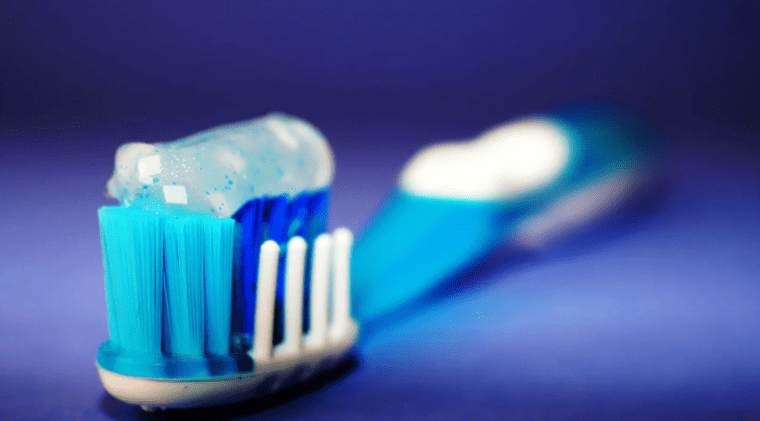 Bad breath is not something that anyone likes. Professional
 Most people know that brushing teeth twice a day is one of the most necessary things you can do to remove plaque and germs and keep your teeth clean. However, brushing can only be effective if you use the ideal technique. People should brush by small circular motions, taking care to brush the front, back, and top of every tooth between 2 and 3 minutes. People should avoid sawing back-and-forth motions because brushing too hard or using a toothbrush with hard bristles can damage your enamel and gums.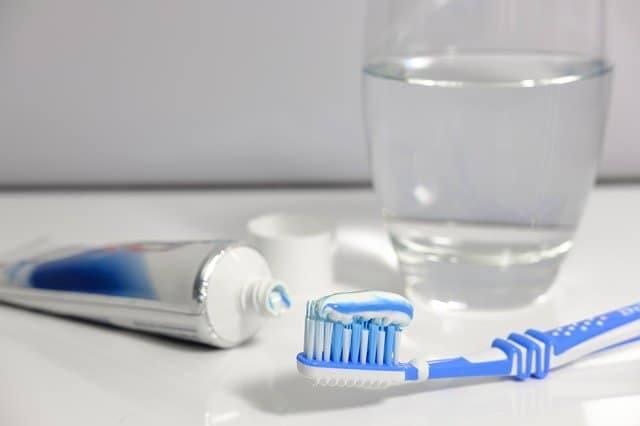
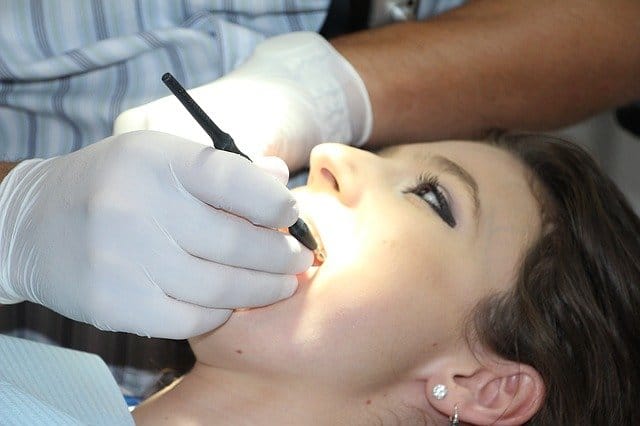 When it comes to oral health and problems, a dentist is the real McCoy! People should see a dentist every 6 months for a checkup. During a dental examination, a dentist will clean the teeth and remove plaque and hardened tartar. The dentist will check for visual signs of cavities, gum disease, mouth cancer, and other oral health issues. They may sometimes also use dental X-rays to check for cavities. People can talk to their dentist about how often they need a checkup. The solution can fluctuate, depending on a person’s health history, age, and overall dental health.

 What are some things to look for when seeking out private health insurance?